Stockton- Kwanzaa comes from the Swahili phrase “matunda ya kwanza” or first fruits, referring to first fruits or harvest festivals that are found throughout Africa. Also, Maulana Karenga, a man, who drew the concepts and symbols of Kwanzaa from traditions and practices found throughout Africa and the African diaspora, meaning the spread of a group of a large society, from their original homeland.
The first Kwanzaa was celebrated in 1966 and, ever since, it has spread throughout society. Kwanzaa is celebrated from December 26th-January 1st and is focused on seven principals: Umoja (unity), Kujichaguila (self-determination), Ujima (collective work and responsibility), Ujamaa (cooperative economics), Nia (purpose), Kuumba (creativity), and Imani (faith).
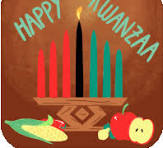
Each day a candle is lit on a candleholder, called a Kinara, that holds seven candles in the colors of the Pan-African flag. The sixth day features a communal feast known as Karamu, which includes traditional soul food and honors the ancestors.
The candles held on the Kinara showcase three red candles on the left and three green on right, with a black candle in the middle. It has its meaning of black for the people, red for their struggles, and green for the hope and future that can arise from those struggles.
The tradition of the cultural holiday Kwanzaa, is celebrated because it supports the African American heritage and culture, promotes unity, and focuses on seven core principles for community building.
Kwanzaa emphasizes community, cultural pride, and the importance of honoring those who came before, welcoming its participation from all the people who respect its significance.